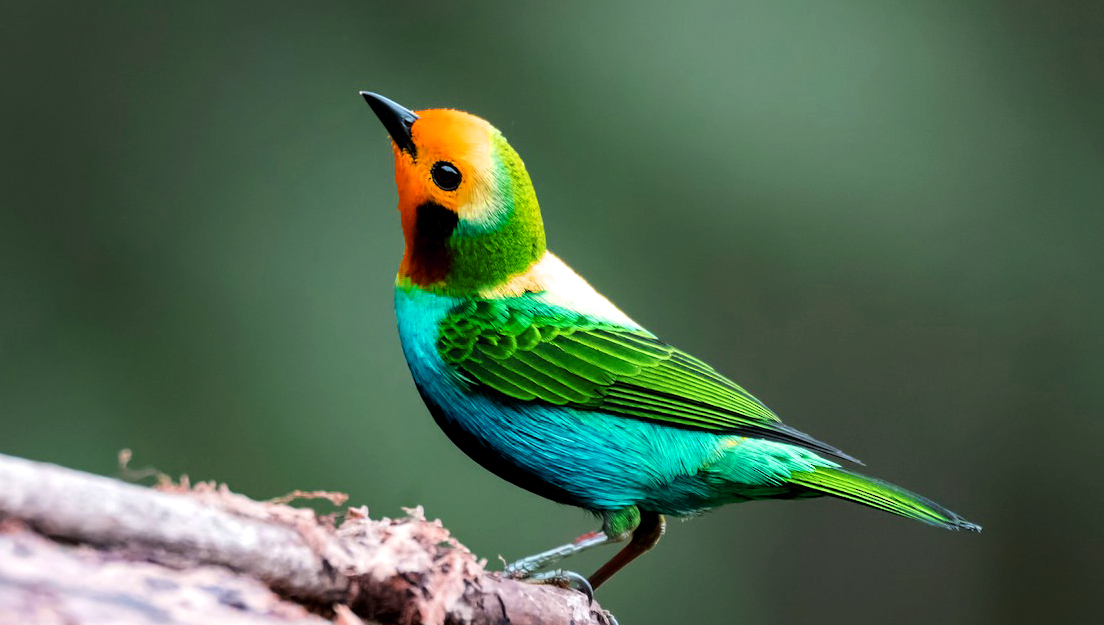
Communication through universal visual cues involves utilizing symbols, gestures, colors, and imagery that are widely recognized across different cultures and societies, enabling effective understanding without language barriers.
These cues tap into shared human experiences and innate perceptions—such as the use of a red cross for healthcare or a thumbs-up for approval—making messages accessible and instantly comprehensible worldwide. By harnessing these universal symbols, visual communication becomes a powerful tool for conveying ideas, emotions, and information on a global scale.
"The legend" can refer to a traditional story or myth handed down through generations, often involving heroic figures, fantastical creatures, or significant events. It can also denote a famous or iconic figure recognized for their notable achievements or influence. If you have a specific legend in mind, please provide more details so I can offer a more tailored response.
rayyans elvis "the legendary visual artist"
In the realm where visions come alive,
Rayyan's brush begins to thrive.
Elvis of the visual art scene,
Legendary, rare, and keen.
Colors dance at his command,
Stories crafted by his hand.
A master of the vibrant hue,
Creating worlds anew.
His art, a timeless melody,
Echoes through eternity.
Rayyan Elvis, the legend’s name,
In the gallery of fame.

The art of visual language involves using images, symbols, colors, and design elements to communicate ideas, emotions, and narratives without spoken or written words. It relies on visual literacy to convey messages effectively, engaging viewers through composition, contrast, and symbolism, and is fundamental in fields like advertising, graphic design, filmmaking, and fine art.
the art of visual language
The art of visual language, silent yet profound,
Speaks in colors, shapes, and forms unbound.
A whisper in the canvas, a story told,
Without a voice, yet bold and old.
Symbols dance in silent rhyme,
Transcending space and time.
A glance, a gesture, a hue’s embrace,
Conveying meaning in a sacred space.
In every line, a secret lies,
A universe within the eyes.
The language of the visual, pure and true,
A universal tongue for me and you.
The tradition of the artist and the audience in visual art revolves around a dynamic relationship where the artist creates with intention, cultural context, and personal expression, while the audience interprets and finds meaning in the artwork based on their own experiences and perspectives. This tradition emphasizes the dialogue between creator and viewer, where art serves as a bridge for cultural values, societal commentary, and emotional expression, fostering a shared experience that evolves over time and across different cultural contexts.
the tradition of the artist and the audience in visual art
In silent dialogue, they intertwine,
The artist’s soul and the viewer’s mind.
A tradition woven through ages past,
A bridge of meaning meant to last.
The artist’s vision, a gift to share,
A whisper of thoughts laid bare.
The audience’s gaze, a gentle key,
Unlocks the depths of mystery.
Together they dance in timeless grace,
A sacred bond no time can erase.
In this tradition, hearts convene,
A silent communion, seen and unseen.
communication into the universal visual cues
In symbols silent, truths unfold,
A language ancient, yet retold—
Universal cues that bind us all,
Beyond words’ reach, they rise, they fall.
A glance, a hue, a shape's embrace,
Speak through time, across all space.
From colors bright to shadows deep,
Their whispers ancient secrets keep.
In every face, in every scene,
Lies a code, a shared routine—
A language woven, clear and true,
Connecting me, connecting you.